


Resources
Expert insights, practical resources, and compliance updates to help you optimize building performance.
Insights
Welcome to Insights, your source for expert advice on energy efficiency and city compliance. Explore our blog for the latest tips, trends, and regulatory updates to help you stay informed and efficient.
Category
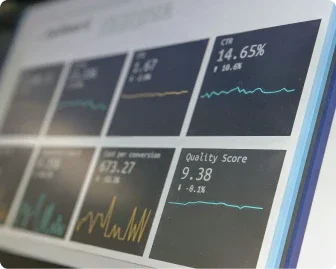
Energy Audit vs Retro Commissioning: Which Does Your Building Need?
Energy audit vs retro commissioning: learn the difference between a commercial energy audit and RCx, when each is needed, and how both improve building performance.

Building Performance Standards vs. Benchmarking: What Building Owners Need to Know
Learn the difference between building performance standards and benchmarking, including energy reporting requirements, BPS compliance, targets, penalties, and next steps.

Why Did My ENERGY STAR Score Go Down?
Why did your ENERGY STAR score go down? Learn how meter data, operating hours, occupancy, weather, equipment issues, and Portfolio Manager errors affect your score.
Frequently Asked Questions
General
-
Energy benchmarking is the process of tracking a building’s energy use and comparing it to similar buildings to understand its performance over time.
-
It helps identify opportunities for energy savings, reduces operating costs, and ensures compliance with local regulations.
-
An energy audit is a detailed assessment of a building's energy use, identifying ways to improve efficiency and reduce energy consumption.
-
Retro-commissioning is the process of tuning up a building's systems to ensure they are operating efficiently and as intended.
-
These programs aim to reduce energy consumption, lower greenhouse gas emissions, and promote sustainability.
-
Typically, benchmarking is required annually, but specific deadlines may vary by city.
-
An energy audit identifies energy-saving opportunities, while retro-commissioning ensures existing systems are operating efficiently.
-
No, energy audits must be conducted by a qualified professional to ensure accuracy and compliance.
-
Improved system performance, reduced energy costs, and extended equipment life.
-
It is an online tool used to measure and track energy and water consumption, as well as greenhouse gas emissions.
Los Angeles EBEWE
-
The EBEWE program applies to existing buildings in Los Angeles that are 20,000 square feet or larger.
-
Benchmarking reports must be submitted annually by June 1st and 5-year audits by December 1st.
-
Create an LADBS account, register your building, and submit the benchmarking report using Portfolio Manager.
-
You may face fines and penalties for non-compliance.
-
Use the Energy Star Portfolio Manager to benchmark your building and submit the data to LADBS.
-
EBEWE is a Los Angeles ordinance requiring buildings to benchmark energy and water use and perform audits and retro-commissioning.
-
Buildings 20,000 square feet or larger in Los Angeles are subject to EBEWE requirements.
-
Penalties can include fines and enforcement actions by the city.
-
Yes, you can request an extension from the Los Angeles Department of Building and Safety (LADBS).

Partners

We collaborate with trusted partners who specialize in rebate access, equipment installation, and implementation services—complementing our core expertise in energy management, energy audits and benchmarking to deliver end-to-end energy solutions.

Contact Us Today
For all your city energy compliance needs, including auditing, benchmarking, exemptions, and certifications, reach out to IE Energy. We're here to ensure you meet all local regulations.