


Los Angeles EBEWE Compliance
Comply with Los Angeles EBEWE ordinance requirements with expert help from Inland Empire Energy. We provide energy benchmarking, audits, and reporting to meet LADBS standards. Get started today.What Is ENERGY STAR Certification?
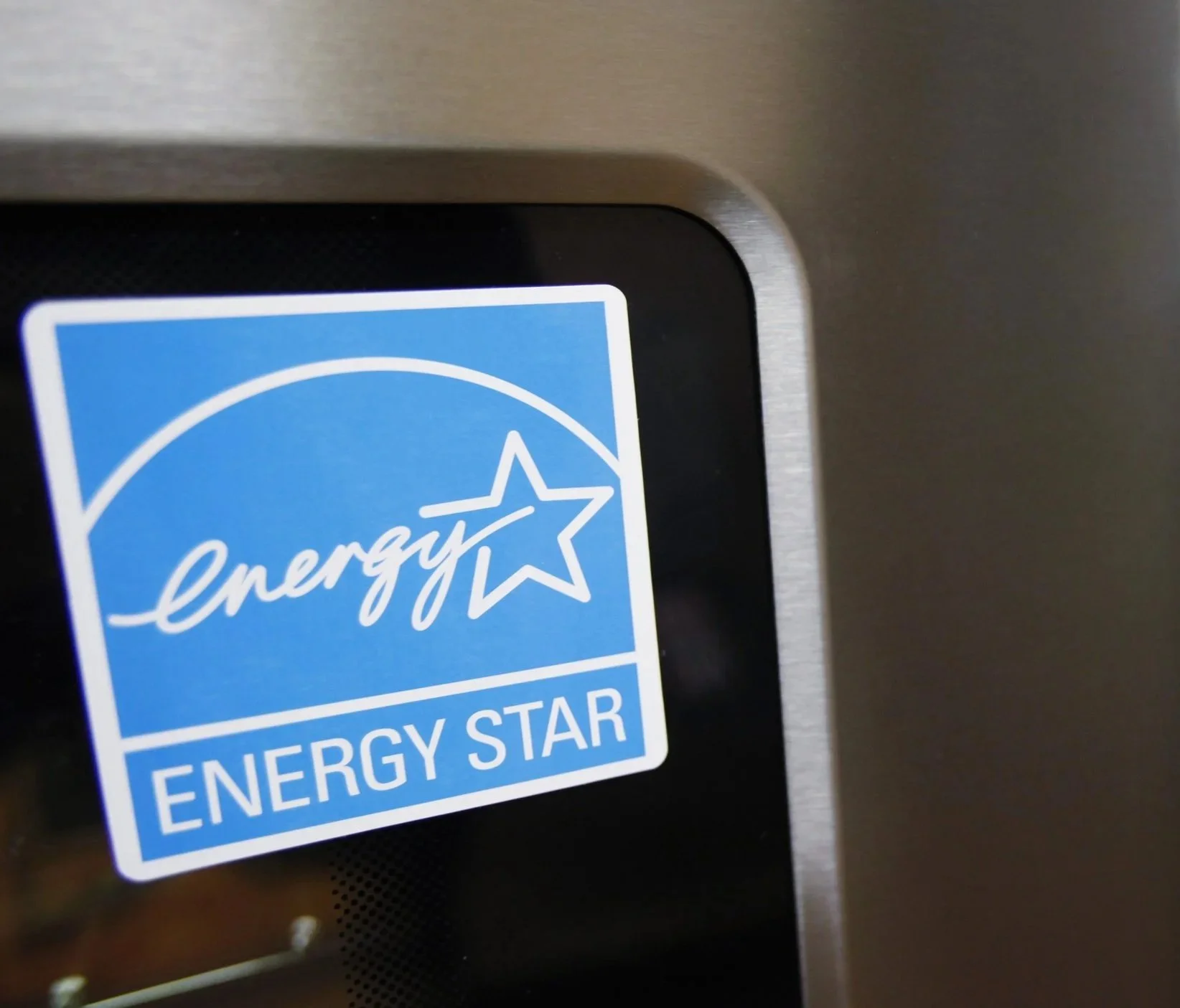
ENERGY STAR certification is a national recognition program administered by the U.S. Environmental Protection Agency (EPA) that identifies buildings with superior energy performance.
To earn certification, a building must:
Achieve an ENERGY STAR score of 75 or higher
Demonstrate high energy efficiency compared to similar buildings
Verify building performance through a licensed professional engineer or registered architect
Submit certification documentation through ENERGY STAR Portfolio Manager
Buildings that earn ENERGY STAR certification are officially recognized as top-performing energy-efficient buildings.
Benefits of ENERGY STAR Certification
ENERGY STAR certification offers several operational, financial, and reputational benefits for building owners.
-
Certified buildings operate more efficiently, reducing overall utility expenses and improving operating margins.
-
ENERGY STAR certified buildings are often more attractive to tenants, investors, and buyers.
-
ENERGY STAR is one of the most widely recognized energy efficiency certifications in the United States.
-
Energy-efficient buildings often provide better indoor comfort and environmental performance.
-
Many cities require energy benchmarking and building performance standards, and ENERGY STAR certification demonstrates strong compliance readiness.

ENERGY STAR Portfolio Manager and Certification

ENERGY STAR certification relies on the ENERGY STAR Portfolio Manager platform, the EPA’s official benchmarking tool used to measure building energy performance.
Portfolio Manager calculates a building’s ENERGY STAR score, which ranges from 1 to 100 and compares building performance with similar buildings nationwide.
Buildings must maintain accurate energy data within Portfolio Manager to qualify for certification.
Key metrics calculated in Portfolio Manager include:
Energy Use Intensity (EUI)
Source energy consumption
Greenhouse gas emissions
Weather-normalized energy performance
Our ENERGY STAR Certification Process
1. Energy Benchmarking
We benchmark your building using ENERGY STAR Portfolio Manager and verify that all required building information and energy data are accurate.
2. Data Validation
Our team reviews energy consumption data and performs quality checks to ensure the building qualifies for certification.
3. ENERGY STAR Score Evaluation
We analyze your building’s performance metrics and determine whether the building meets the required ENERGY STAR score of 75 or higher.
4. Licensed Professional Verification
ENERGY STAR certification requires verification by a licensed Professional Engineer (PE) or Registered Architect (RA).
IE Energy coordinates the required professional verification and documentation.
5. Certification Application Submission
We prepare and submit the ENERGY STAR certification application through Portfolio Manager and coordinate the review process with the EPA.

ENERGY STAR Certification vs Energy Benchmarking

Energy benchmarking and ENERGY STAR certification are closely related but serve different purposes.
Energy Benchmarking tracks and reports building energy consumption annually.
ENERGY STAR Certification recognizes buildings that perform in the top 25% of similar buildings for energy efficiency.
Benchmarking is often the first step toward achieving certification.
Frequently Asked Questions
-
The ENERGY STAR score is a number between 1 and 100 that compares a building’s energy performance to similar buildings across the United States.
1–49: Below average energy performance
50: Median performance
75 or higher: Eligible for ENERGY STAR certification
The score accounts for factors such as building size, occupancy, operating hours, and local weather conditions.
-
ENERGY STAR certification is available for many commercial and institutional building types, including:
Office buildings
Multifamily residential buildings
Hotels and hospitality properties
Retail and shopping centers
Hospitals and healthcare facilities
Schools and educational buildings
Warehouses and industrial facilities
Eligibility depends on the building type and whether an ENERGY STAR score can be calculated in Portfolio Manager.
-
ENERGY STAR Portfolio Manager is a free online benchmarking tool developed by the U.S. Environmental Protection Agency (EPA).
The platform allows building owners to:
Track energy and water consumption
Benchmark building performance
Calculate ENERGY STAR scores
Generate reports required by benchmarking laws
Apply for ENERGY STAR certification
Most buildings must use Portfolio Manager to apply for certification.
-
To qualify for ENERGY STAR certification, a building must meet several requirements:
Achieve an ENERGY STAR score of 75 or higher
Track at least 12 months of energy consumption data
Benchmark energy use in ENERGY STAR Portfolio Manager
Meet indoor environmental quality requirements
Have energy performance verified by a licensed Professional Engineer (PE) or Registered Architect (RA)
The certification application must be submitted through Portfolio Manager.
-
The certification process typically requires:
12 months of utility data
Building address and property information
Gross floor area
Occupancy levels
Operating hours
Number of workers or residents (depending on building type)
Accurate data is essential for calculating an ENERGY STAR score. Building owners must submit a new certification application each year.


Ready to Learn More?
Fill out the form below and our team will reach out within 1 business day to discuss your Energy Star Certification needs.
Prefer to connect directly?
Call us at 909-451-8385
Email us at team@ieenergy.com