

Energy & Water Benchmarking
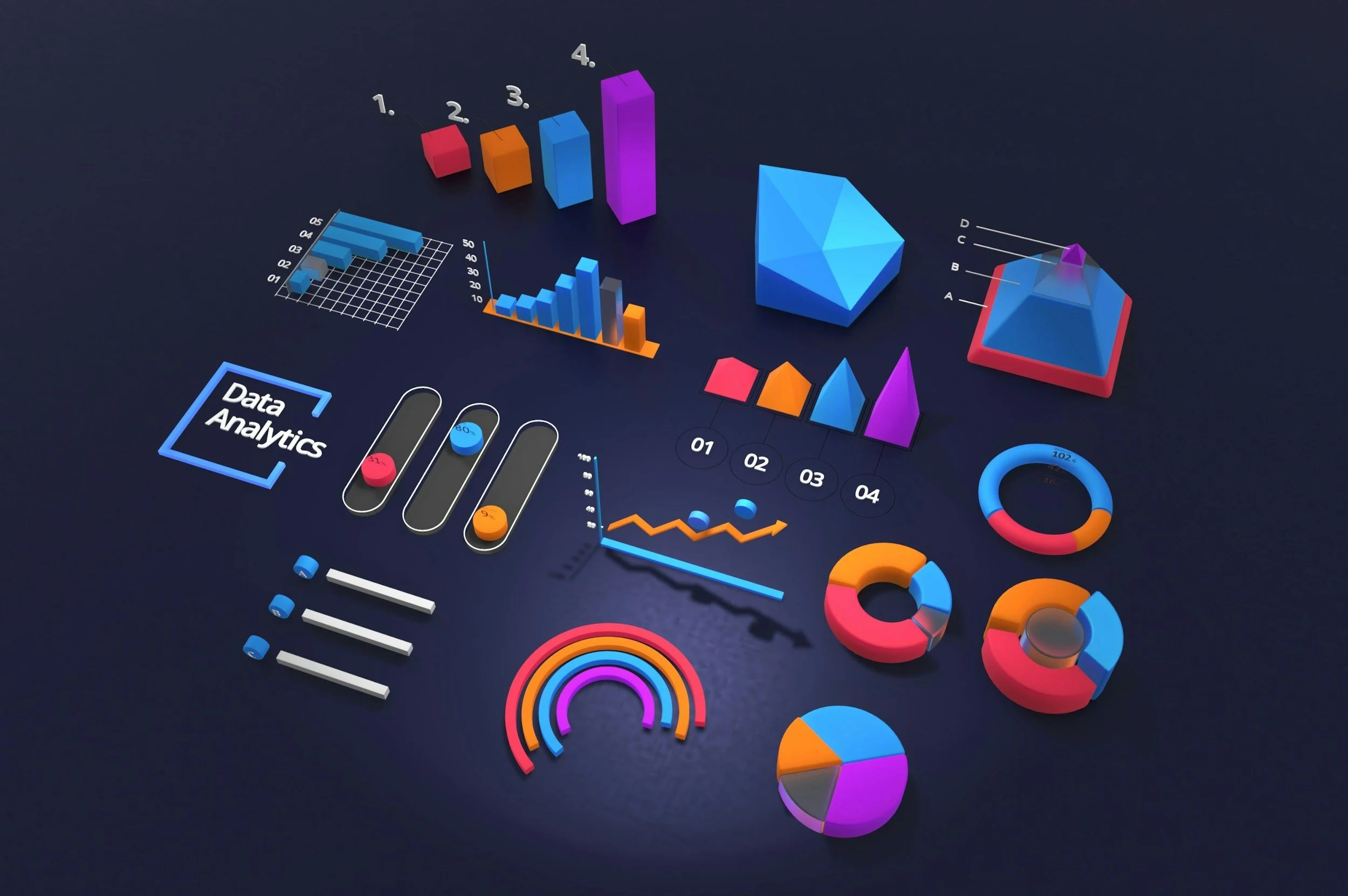
Our comprehensive benchmarking audits provide invaluable insights into your building's energy and water consumption. By tracking and analyzing your performance against similar properties, we identify opportunities for continuous improvement and help you achieve long-term savings.What is Benchmarking?
Energy benchmarking measures a building’s energy consumption and compares its performance against similar buildings. Using the U.S. EPA’s ENERGY STAR Portfolio Manager platform, IE Energy tracks energy use, calculates key performance metrics such as Energy Use Intensity (EUI), and prepares the reports required by city and state regulations.
Our Benchmarking Process Includes:

Ongoing Compliance Management
Portfolio Manager Setup & Management
Energy Performance Analysis
Utility Data Collection
By partnering with us

Buildings That Require Benchmarking
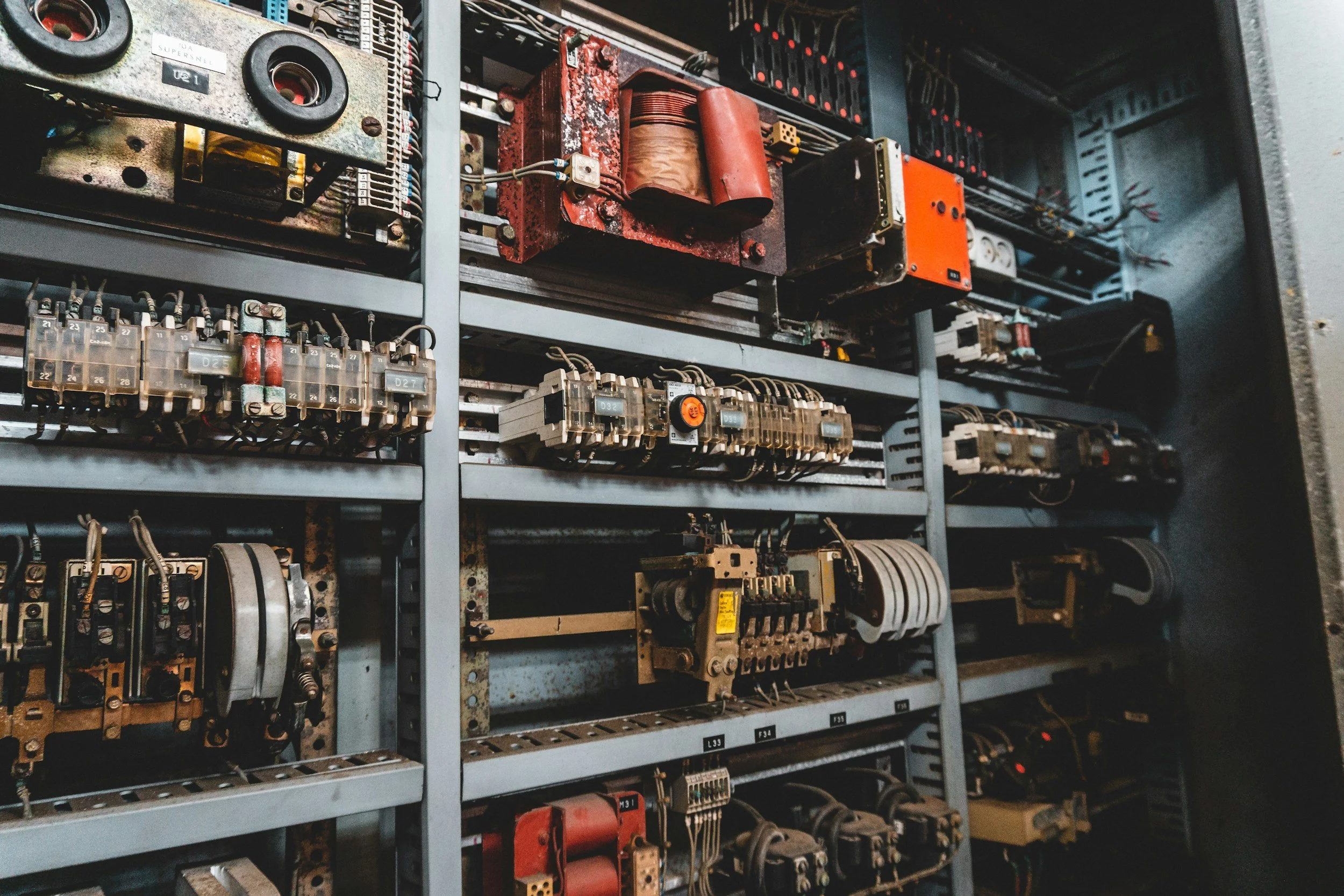
Many cities and states require annual energy benchmarking for larger buildings. These laws typically apply to:
Commercial office buildings
Multifamily residential buildings
Hotels and hospitality properties
Institutional and educational facilities
Mixed-use developments
Most benchmarking ordinances apply to buildings 20,000–50,000 square feet or larger, depending on the jurisdiction.
IE Energy works with property owners across multiple jurisdictions to ensure compliance with benchmarking requirements and reporting deadlines.

Benefits of Energy Benchmarking
Benchmarking provides more than regulatory compliance. It also helps building owners improve long-term performance.
Key benefits include:

Energy Cost Visibility
Benchmarking reveals how much energy a building consumes and where improvements can reduce operating costs.
Performance Comparison
Benchmarking allows owners to compare buildings within their portfolio or against similar properties nationwide.
Preparation for Building Performance Standards
Many cities are transitioning from benchmarking laws to Building Performance Standards (BPS) that require measurable efficiency improvements.
Improved Property Value
Energy-efficient buildings often experience higher tenant demand and lower operating costs.
Get Help With Energy Benchmarking Compliance

If your building is subject to an energy benchmarking ordinance or building performance standard, IE Energy can help simplify the process.
Our team provides reliable benchmarking services, accurate data reporting, and ongoing compliance management for commercial and multifamily buildings.
Contact IE Energy today to learn how our energy benchmarking services can help your building stay compliant and improve performance.
What is Energy Use Intensity (EUI) and Water Use Intensity (WUI)

-
Energy Use Intensity (EUI) is a common metric used in benchmarking.
EUI measures how much energy a building uses per square foot each year and is typically expressed as:
kBtu per square foot per year
Lower EUI values generally indicate better energy efficiency.
-
Water Use Intensity (WUI) measures how much water a building consumes relative to its size.
WUI is typically calculated as gallons of water used per square foot per year.
Tracking WUI helps identify inefficient water use and opportunities to reduce consumption.
Frequently Asked Questions
-
Benchmarking involves tracking and reporting a building's energy and water use to ensure compliance with local regulations. It helps identify areas for improvement and ensures buildings meet city-specific performance standards.
-
Energy benchmarking is the process of measuring and tracking a building’s energy consumption over time and comparing it to similar buildings.
Water benchmarking is the process of tracking and analyzing water consumption within a building.
Both forms of benchmarking are performed through ENERGY STAR Portfolio Manager.
-
ENERGY STAR Portfolio Manager is a free online benchmarking tool developed by the U.S. Environmental Protection Agency (EPA).
It allows building owners to:
Track energy and water consumption
Compare performance to similar buildings nationwide
Calculate ENERGY STAR scores
Generate benchmarking reports required by cities and states
Most benchmarking ordinances require data to be submitted through this platform.
-
Many cities require benchmarking to increase transparency around building performance and encourage energy and water efficiency improvements.
Buildings are one of the largest sources of urban greenhouse gas emissions. Benchmarking helps governments and property owners:
Understand building performance
Reduce energy and water consumption
Lower operating costs
Support climate and sustainability goals
Benchmarking laws are often the first step before stricter building performance standards are introduced.
-
Benchmarking typically requires the following data:
Building address and property details
Gross floor area
Property use type
Utility consumption data (electricity, natural gas, water, etc.)
Occupancy levels and operating hours
Number of units or occupants
Accurate building information is necessary to generate reliable performance metrics.


Ready to Learn More?
Fill out the form below and our team will reach out within 1 business day to discuss your energy & water benchmarking needs.
Prefer to connect directly?
Call us at 909-451-8385
Email us at team@ieenergy.com