

Resources
Expert insights, practical resources, and compliance updates to help you optimize building performance.
Insights
Welcome to Insights, your source for expert advice on energy efficiency and city compliance. Explore our blog for the latest tips, trends, and regulatory updates to help you stay informed and efficient.
Category
- AB 802
- AB-802-Program
- AI
- ASHRAE
- ASHRAE Energy Audits
- ASHRAE Level I
- ASHRAE Level II
- ASHRAE Level III
- Asset Management
- BAS
- BAS vs EMS
- BAS vs Energy Management System
- BEPS
- BESO
- BMS
- BPS
- Base Building Exemption
- Base Building Exemptions
- Benchmarking Compliance
- Berkeley BESO
- Boston BERDO
- Building Automation System
- Building Controls
- Building Data
- Building Decarbonization
- Building Energy Audits
- Building Energy Benchmarking
- Building Energy Codes
- Building Energy Compliance
- Building Energy Data
- Building Load Profile
- Building Maintenance
- Building Management System
- Building Operations
- Building Optimization
- Building Performance
- Building Performance Standards
- Building Systems
- Building Tune-Up
- CA AB 802 program
- CA BESO program
- CA BPO program
- CA EBEWE program
- CBPS
- CRE
- CRE Portfolio Manager
- California Building Owners
- California Energy Compliance
- Carbon Footprint
- Clean Buildings Performance Standard

BAS vs. Energy Management System: What Is the Difference?
Learn the difference between BAS, BMS, EMS, FDD, and smart-building software and how each helps commercial buildings control systems, manage energy, and improve performance

Why Did My Commercial Building’s Utility Bill Go Up If Energy Use Didn’t?
Learn why a commercial building utility bill can increase even when energy use stays the same, including demand charges, peak demand, time-of-use rates, seasonal pricing, and utility rate changes.

What Is Interval Data? A Guide for Commercial Building Owners
Learn how interval energy data helps commercial building owners understand load profiles, after-hours energy use, demand spikes, operating schedules, and overall building performance.

What Is Gross Floor Area in ENERGY STAR Portfolio Manager?
Learn what gross floor area means in ENERGY STAR Portfolio Manager, what counts, what does not, and why accurate square footage matters for EUI, benchmarking, and compliance.

Why Did My ENERGY STAR Score Go Down?
Why did your ENERGY STAR score go down? Learn how meter data, operating hours, occupancy, weather, equipment issues, and Portfolio Manager errors affect your score.

Washington Clean Buildings Performance Standard: What Building Owners Need to Know
Learn what Washington’s Clean Buildings Performance Standard requires, which buildings must comply, Tier 1 and Tier 2 deadlines, EUI targets, EMPs, O&M programs, and how owners can prepare.

Building Performance Standards vs. Benchmarking: What Building Owners Need to Know
Learn the difference between building performance standards and benchmarking, including energy reporting requirements, BPS compliance, targets, penalties, and next steps.
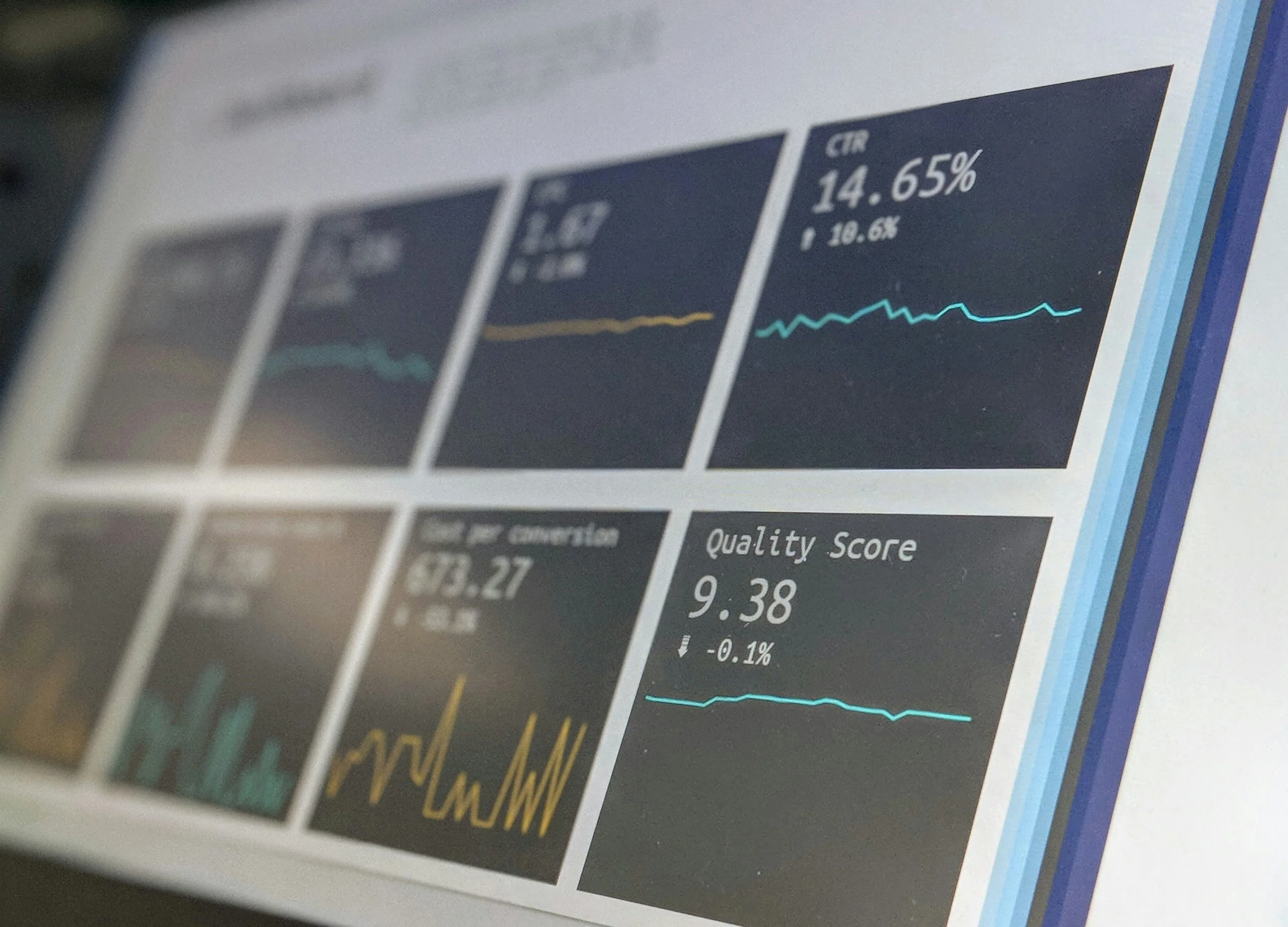
Energy Audit vs Retro Commissioning: Which Does Your Building Need?
Energy audit vs retro commissioning: learn the difference between a commercial energy audit and RCx, when each is needed, and how both improve building performance.

ASHRAE Level I vs. Level II vs. Level III Energy Audits Explained
ASHRAE Level I, II, and III energy audits each serve a different purpose. A Level I audit provides a high-level walk-through assessment, a Level II audit delivers more detailed analysis with costs, savings, and payback estimates, and a Level III audit supports major capital investment decisions with deeper engineering and financial analysis. Understanding the difference helps building owners choose the right audit for compliance, planning, and long-term performance improvement.

What Denver’s Energize Denver Building Performance Policy Means for Commercial Buildings
Denver’s Energize Denver Building Performance Policy requires commercial buildings to benchmark energy use, set energy efficiency targets, and demonstrate performance improvements over time. With updated timelines and flexibility options, the policy supports both climate goals and practical compliance paths for building owners.

Energy Goals Are Easy to Set in January. Harder to Maintain in July.
Energy goals are easy to set at the start of the year, but many buildings lose momentum by summer. This article explores why energy strategies break down midyear, and how consistent monitoring and operational discipline turn annual goals into measurable, year-round performance improvements.

The Rise of Performance-Based Codes: Why Efficiency Scores Matter More Than Reports
Cities across California are shifting from simple reporting requirements to performance-based energy codes, and the change is reshaping how building owners must think about compliance. Submitting a benchmarking report is no longer enough. Regulators now look at how well a building actually performs, how efficiently it operates, and whether owners are making measurable improvements over time. This blog explains why efficiency scores now matter more than paperwork, how performance-based standards are influencing property value, and what owners can do today to prepare for stricter city mandates.

Qualifying For Base Building Exemption: What Owners Need To Know
Learn how to qualify for a Base Building Exemption under LA’s EBEWE program. Save money, avoid unnecessary audits, and streamline energy compliance.
Frequently Asked Questions
General
-
Energy benchmarking is the process of tracking a building’s energy use and comparing it to similar buildings to understand its performance over time.
-
It helps identify opportunities for energy savings, reduces operating costs, and ensures compliance with local regulations.
-
An energy audit is a detailed assessment of a building's energy use, identifying ways to improve efficiency and reduce energy consumption.
-
Retro-commissioning is the process of tuning up a building's systems to ensure they are operating efficiently and as intended.
-
These programs aim to reduce energy consumption, lower greenhouse gas emissions, and promote sustainability.
-
Typically, benchmarking is required annually, but specific deadlines may vary by city.
-
An energy audit identifies energy-saving opportunities, while retro-commissioning ensures existing systems are operating efficiently.
-
No, energy audits must be conducted by a qualified professional to ensure accuracy and compliance.
-
Improved system performance, reduced energy costs, and extended equipment life.
-
It is an online tool used to measure and track energy and water consumption, as well as greenhouse gas emissions.
Los Angeles EBEWE
-
The EBEWE program applies to existing buildings in Los Angeles that are 20,000 square feet or larger.
-
Benchmarking reports must be submitted annually by June 1st and 5-year audits by December 1st.
-
Create an LADBS account, register your building, and submit the benchmarking report using Portfolio Manager.
-
You may face fines and penalties for non-compliance.
-
Use the Energy Star Portfolio Manager to benchmark your building and submit the data to LADBS.
-
EBEWE is a Los Angeles ordinance requiring buildings to benchmark energy and water use and perform audits and retro-commissioning.
-
Buildings 20,000 square feet or larger in Los Angeles are subject to EBEWE requirements.
-
Penalties can include fines and enforcement actions by the city.
-
Yes, you can request an extension from the Los Angeles Department of Building and Safety (LADBS).

Partners

We collaborate with trusted partners who specialize in rebate access, equipment installation, and implementation services—complementing our core expertise in energy management, energy audits and benchmarking to deliver end-to-end energy solutions.

Contact Us Today
For all your city energy compliance needs, including auditing, benchmarking, exemptions, and certifications, reach out to IE Energy. We're here to ensure you meet all local regulations.