

Seattle Building Energy Compliance Programs
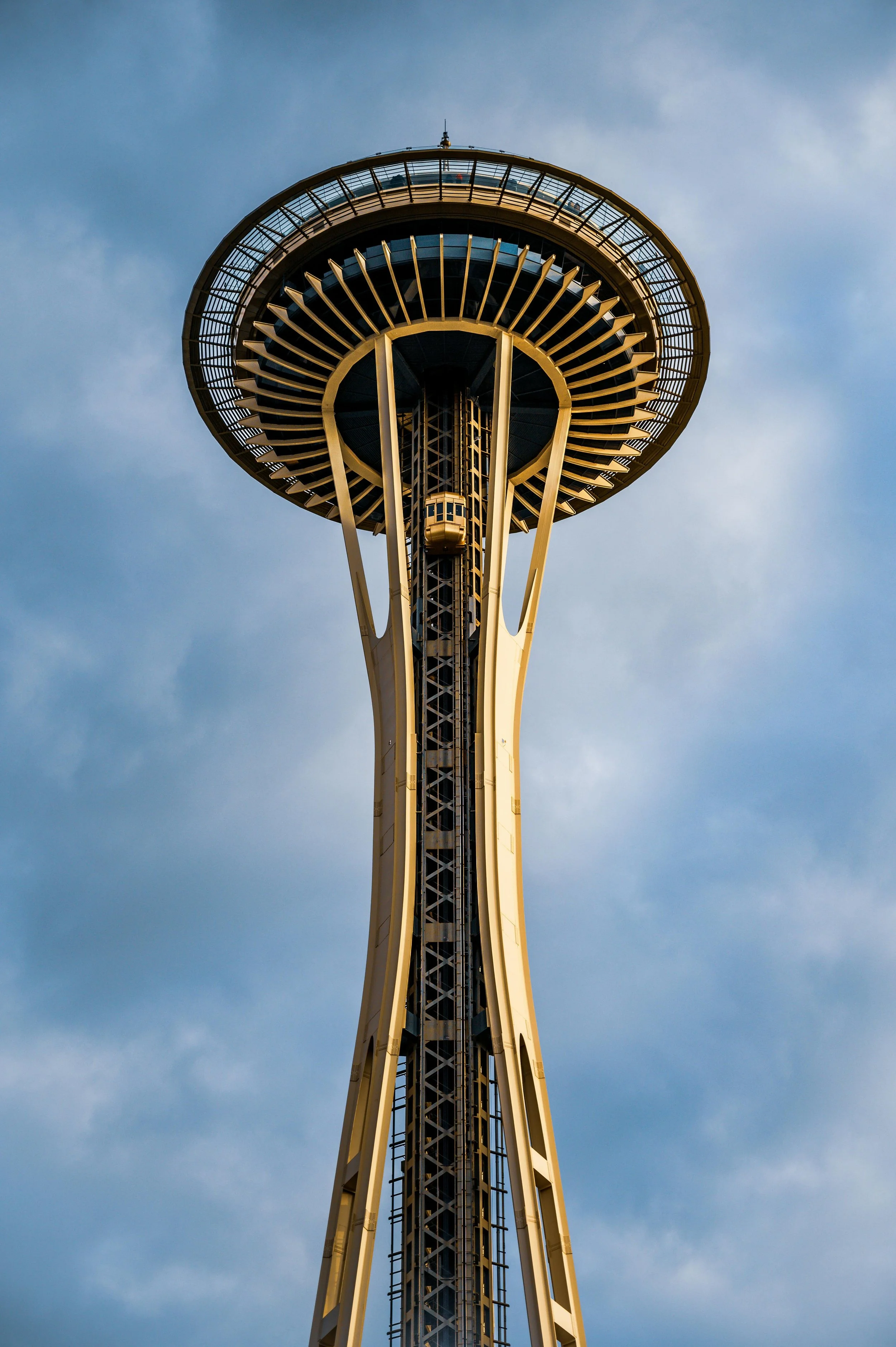
Seattle requires large commercial and multifamily buildings to comply with three core policies—annual Energy Benchmarking (SMC 22.920), periodic Building Tune‑Ups, and the Building Emissions Performance Standard (SMC 22.925)—which together mandate energy reporting, GHG verification, and long‑term emissions reduction.
-
Seattle’s Energy Use Benchmarking Ordinance (SMC 22.920) and Building Emissions Performance Standard (SMC 22.925) establish mandatory requirements for annual energy benchmarking, greenhouse gas (GHG) reporting, third‑party data verification, and long‑term emissions reductions for covered buildings.
These programs are administered by the Office of Sustainability & Environment (OSE) and apply to nonresidential and multifamily buildings over 20,000 square feet (excluding parking). [ci.seattle.wa.us]
Seattle Municipal Code outlines three interrelated compliance programs for large buildings:
Energy Benchmarking (SMC 22.920) – annual energy reporting for buildings over 20,000 sq ft.
Building Tune‑Ups – periodic operational efficiency improvements for buildings 50,000+ sq ft.
Building Emissions Performance Standard (SMC 22.925) – GHG reporting, verification, and emissions targets for buildings 20,000+ sq ft.
-
Compliance is required for:
Non-residential buildings over 20,000 square feet (excluding parking)
Multi-family buildings over 20,000 square feet classified as Residential Group R-2
Applicability depends on 50%+ floor area being residential vs. nonresidential
Exemptions apply to:
Industrial manufacturing buildings are exempt.
-
Building owners must:
Benchmark energy use and greenhouse gas emissions using ENERGY STAR Portfolio Manager
Submit annual benchmarking reports
Update reports by April 1 each year using the prior calendar year’s data
Provide benchmarking reports within seven days upon request to tenants, buyers, or lenders
For BEPS-covered buildings (≥20,000 sq ft), benchmarking data must also undergo third-party verification according to size-based deadlines (2027–2030) and then again every compliance interval (2031–2050)
Utilities must upload energy data within 30 days of owner request
Tenants must supply needed data within 30 days
-
Failure to submit or update required benchmarking reports may result in fines:
$4,000 for buildings greater than 50,000 square feet
$2,000 for buildings 50,000 square feet or less
$500 fine for failure to disclose benchmarking reports
$500 fine for tenants who fail to provide data
Additional fines apply for failure to disclose benchmarking reports or provide required tenant data
-
Compliance is required for:
Non-residential and multifamily buildings over 20,000 square feet, except:
Industrial buildings
Buildings subject to Washington’s state cap under RCW 70A.65
-
Building owners must:
Reduce greenhouse gas emissions intensity (GHGI) to meet standard GHGITs
Use verified benchmarking data
Meet compliance deadlines based on building size
Achieve net-zero emissions according to ordinance timelines
Dates escalate every 5 years by building size
Be aware of Alternative Compliance Options (ACP, Alternate GHGIT, Portfolio/District Campus aggregation)
Once a building reaches net-zero emissions, it must maintain that status in perpetuity. If a building does not maintain that status, there will be very large future fines enforced (e.g., $10/sq ft penalties)
-
The tune-up requirement applies to nonresidential buildings over 50,000 square feet, with compliance deadlines phased by building size. Tune‑up ordinance expires Dec 31, 2028.
-
Owners must:
Conduct periodic building tune-ups
Have tune-ups performed by a qualified professional
Correct identified deficiencies
Submit documentation confirming completion
Tune-ups must be repeated on a recurring cycle as specified by ordinance.

Move Forward With Confidence
We understand that energy compliance can feel like another expensive requirement with little benefit to property owners. That's why we focus on simplifying the process, eliminating confusion, and delivering practical recommendations that help clients move forward with confidence.
300+
Satisfied Clients
6+
Years of Experience
300+
Completed Projects
6+
Cities Served
How We Help

-
We manage the full ENERGY STAR Portfolio Manager reporting process. We handle utility data coordination, data entry and quality control, annual report submission, and disclosure documentation support.
-
For building subjected to the Emissions Performance Strategy we analyze baseline GHGI, calculate standard GHGIT requirements, evaluate compliance pathways, assist with verified benchmarking preparation, and support emissions reduction planning aligned with compliance intervals.
-
We coordinate benchmarking verification with qualified professionals as required under Section 22.925.050 of the Seattle Energy Benchmarking and Building Emissions Performance Compliance.
-
We track compliance intervals, reporting deadlines, and emissions targets to ensure your building remains aligned with Seattle’s performance standard.
Why Choose IE Energy
-
We work directly within the requirements of Seattle Municipal Code.
-
All recommendations are based on verified benchmarking data and ordinance-defined emissions calculations.
-
We align reporting, verification, and emissions reduction planning with your building’s required compliance interval.
-
We interpret ordinance requirements so owners understand obligations, deadlines, and enforcement mechanisms.
Frequently Asked Questions
-
Building owners must submit updated energy benchmarking reports annually by April 1, using data from the previous calendar year. For newly constructed buildings with an initial occupancy date of January 1, 2023 or later, the first report must be submitted by June 1 of the year following a full calendar year of occupancy.
-
Failure to submit required benchmarking reports may result in fines:
$4,000 for buildings greater than 50,000 square feet
$2,000 for buildings 50,000 square feet or smaller
Additional fines may apply for failure to disclose reports or for submitting inaccurate reports
-
A covered building includes nonresidential and multifamily buildings over 20,000 square feet, unless specifically exempt.
-
GHGI measures a building’s annual greenhouse gas emissions divided by its gross floor area and is expressed in kgCO2e per square foot per year (kgCO2e/SF/yr)
-
GHGITs are emissions limits assigned by building activity type (e.g., office, hotel, retail, multifamily). Targets become stricter over time, with most nonresidential buildings required to achieve net-zero emissions by 2041–2045 and multifamily housing by 2046–2050

Ready to Get Compliant?
Fill out the form and our team will reach out within 1 business day to help you meet your EBEWE compliance requirements—fast, accurate, and stress-free.
Prefer to connect directly?
Call us at 909-906-0840
Email us at team@ieenergy.com