

Insights
Welcome to Insights, your source for expert advice on energy efficiency and city compliance. Explore our blog for the latest tips, trends, and regulatory updates to help you stay informed and efficient.

The ROI of Energy Audits: How EBEWE Compliance Can Save You Money
Energy audits for buildings in Los Angeles under the EBEWE ordinance offer substantial ROI. Required every five years for buildings over 20,000 square feet, these audits assess systems to identify inefficiencies. Compliance leads to lower utility bills and reduced maintenance costs. Inland Empire Energy provides affordable audits to help property owners achieve savings.

What Happens If You Miss the EBEWE Compliance Deadline?
Missing an EBEWE compliance deadline can lead to costly fines, legal notices, and long-term risks to your property’s value and efficiency. As a property owner, it's crucial to know the consequences of non-compliance, including daily penalties, public violations, and missed sustainability goals. Click here and learn how you can avoid these fines and how to get back on track if you've already missed compliance deadlines.

EBEWE Compliance and Its Effectiveness for Los Angeles
EBEWE compliance is a strategic approach that aligns with Los Angeles' sustainability goals. It promotes energy and water efficiency, leading to significant cost savings for building owners through reduced utility bills and enhanced property values. Embracing EBEWE compliance benefits both the individual and the community, making it a win-win strategy for all.
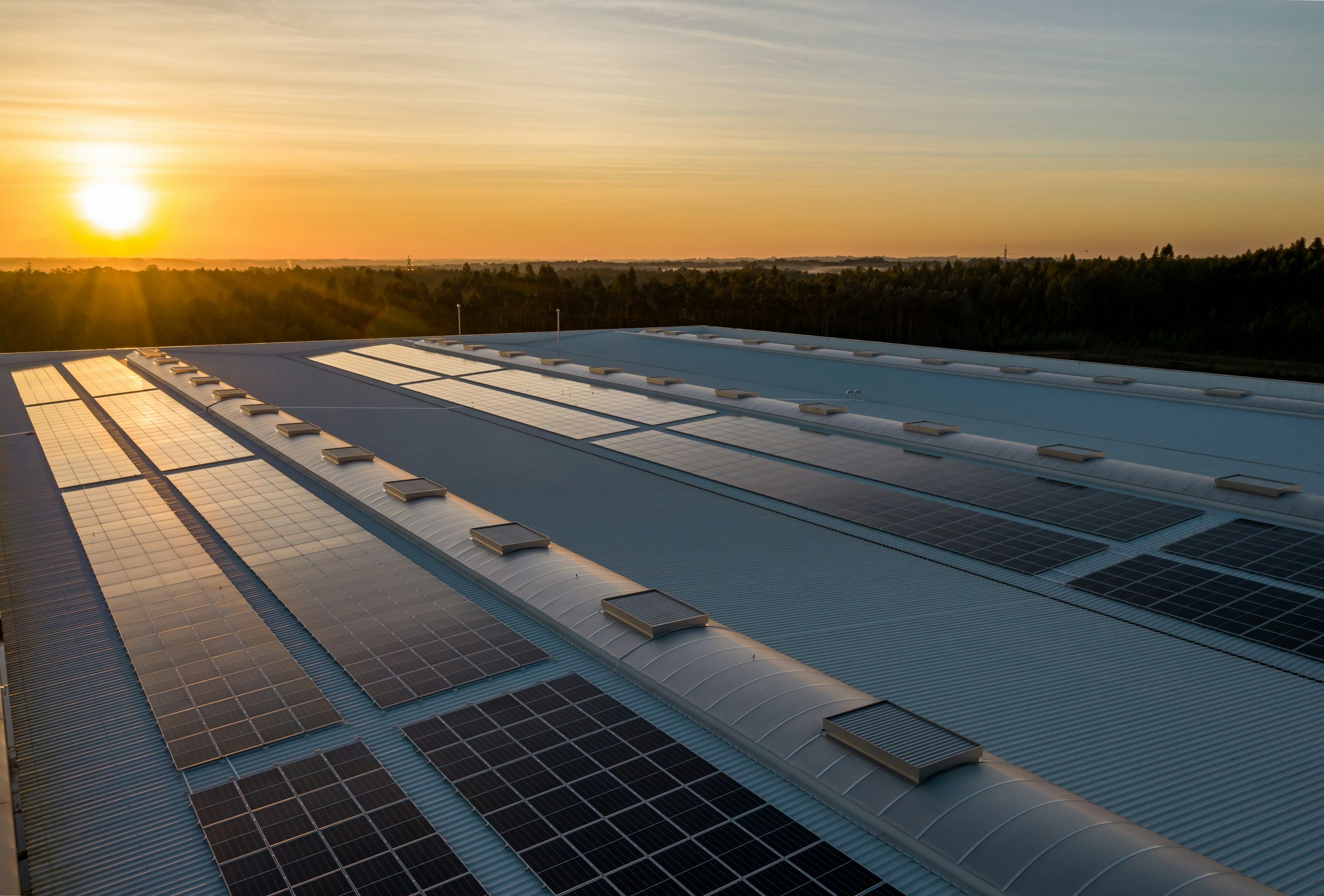
Harnessing Solar Power
Solar energy, through solar thermal water heating and photovoltaic (PV) systems, offers a clean and cost-effective way for commercial and multifamily buildings to reduce energy consumption and environmental impact. By harnessing the sun's power, these buildings can achieve significant energy savings, lower operational costs, and contribute to a more sustainable future.

Benchmarking Your Building's Performance
Benchmarking helps measure and improve building energy and water efficiency. By comparing a building's performance to similar buildings, owners can identify areas for improvement and reduce costs. The EBEWE program in Los Angeles mandates benchmarking for large buildings, contributing to sustainability goals.

Interpreting Energy and Water Usage in Buildings
Understanding how buildings use energy and water is key to optimizing resource efficiency and reducing costs. By analyzing consumption patterns in various building types, it's possible to identify areas for improvement and implement strategies to enhance efficiency and sustainability. Upgrading equipment, optimizing operations, and regular maintenance can significantly reduce energy and water consumption.
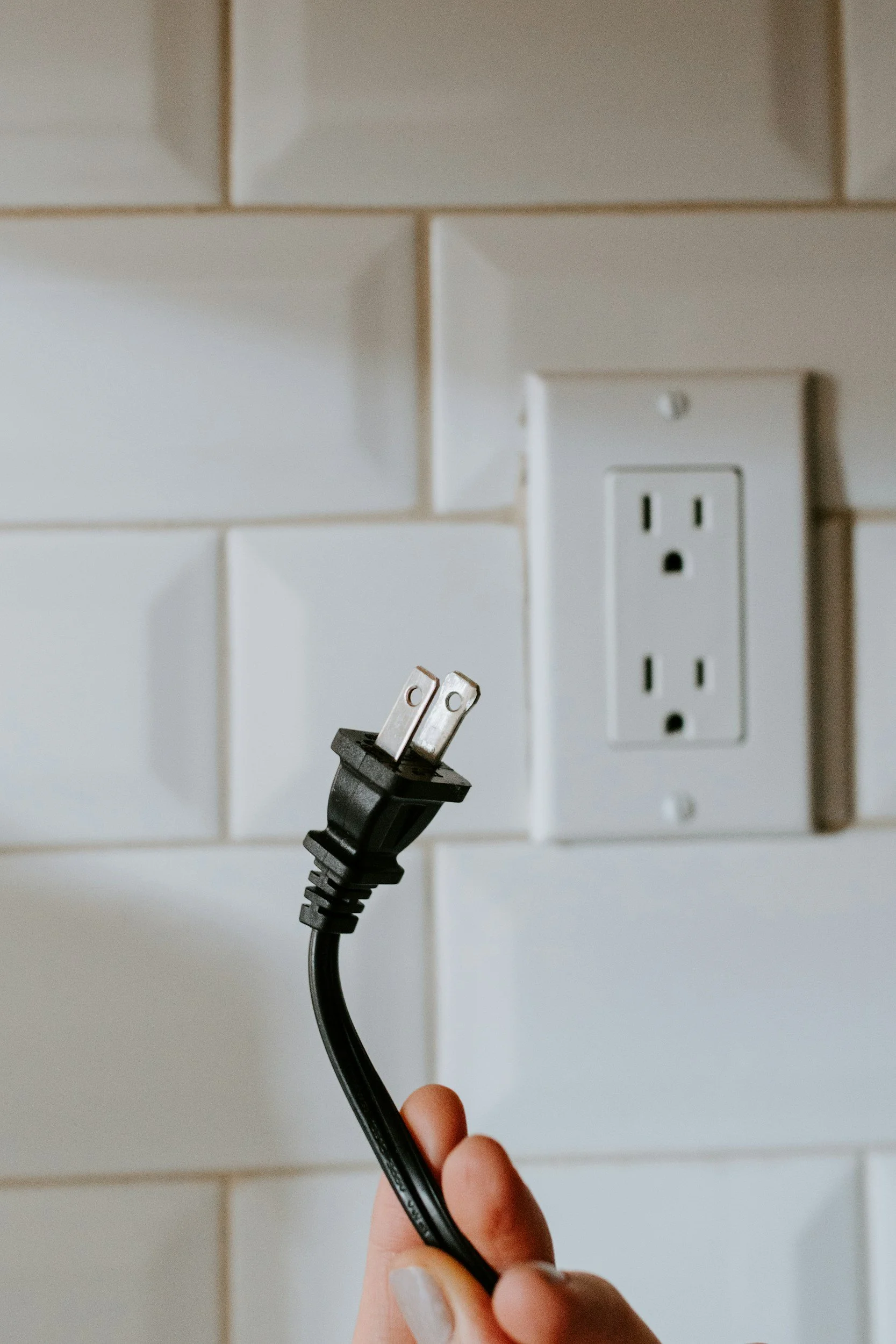
Electrification
The transition to electrification is a key component of achieving a more sustainable and energy-efficient future. By replacing traditional fossil fuel-powered equipment with electric alternatives, buildings can significantly reduce their carbon footprint and improve overall performance. This blog post will explore the benefits of electrifying modern building equipment, both residential and commercial, and discuss its relevance to EBEWE compliance.